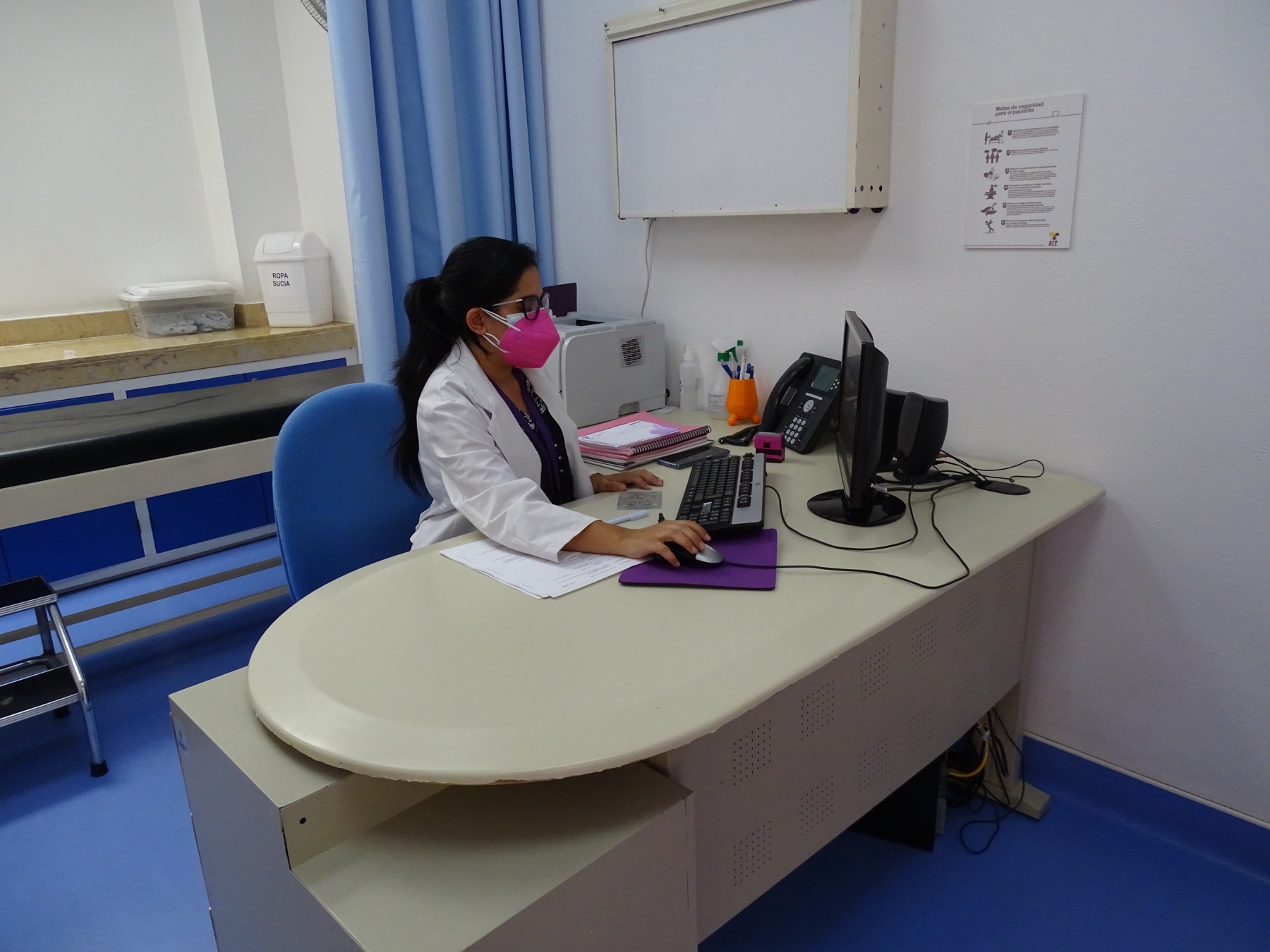
“Explica conceptos científicos complejos de forma muy clara y cercana.”Yes Gu21.09.2026↗
Dr Ana Talamantes · Medical geneticist
Assessment of children and adults, family counselling and interpretation of genetic tests. Time to review your history and discuss your questions at your own pace.
Specialist in Medical Genetics · PhD in Molecular Biosciences
Additional training at Harvard Medical School and Harvard UniversityYou do not need to send reports or detailed medical information in your first message.
Areas of care
These are some of the situations assessed in a consultation. Open each section to learn about the approach and the information it helps to bring.
6 reasons for consultation
Before booking, you can ask whether your concern falls within this specialty.
Representative clinical cases
Three clinical stories showing how examination, medical history and genetic evidence can change a diagnostic or care plan.
A child had recurrent swelling, progressive stiffness and loss of mobility. Cancer was initially suspected and treated for months, but that explanation did not account for the full course of the condition.
Could a genetic condition explain bone formation outside the skeleton and the loss of mobility?
A combined review of the history, examination and X-rays showed heterotopic ossification and skeletal abnormalities. This suggested fibrodysplasia ossificans progressiva. Exome analysis identified a causative ACVR1 variant.
The diagnosis redirected care away from a presumed tumour, helped avoid procedures that could worsen the condition, and supported preventive and multidisciplinary follow-up. Access to a clinical trial was later considered; this does not imply a proven treatment benefit.
From adolescence, a young person developed myoclonus, seizures, falls and progressive motor difficulties. Intellectual ability remained intact, but a unifying explanation was still missing.
How could a NEU1 finding be interpreted when one variant was still classified as having uncertain significance?
Examination identified cherry-red spots in the retina. Family studies and a functional fibroblast test, performed with a collaborating laboratory, showed reduced sialidase activity. Together with the clinical findings, this supported a diagnosis of type I sialidosis.
A diagnosis made it possible to organise neurological follow-up, rehabilitation, fall prevention and seizure management. It also helped clarify that motor limitations should not be mistaken for intellectual decline.
A child with metastatic papillary thyroid carcinoma still had detectable disease after surgery and radioiodine. The treating team needed to assess whether the tumour profile offered another option.
Was there a molecular alteration that could inform an individual treatment decision?
Tumour sequencing, liquid biopsy and multidisciplinary discussion identified a CCDC6-RET fusion. The finding was interpreted alongside the clinical course, previous treatment and available alternatives.
The finding allowed the team to consider selective RET-targeted therapy, such as selpercatinib. This case illustrates how a molecular result can inform options; it does not report a treatment outcome or recommend the same approach for other patients.
Each case is individual. These stories do not replace medical assessment or predict another patient’s outcome.
Your consultation
We consider your personal and family history, clinical examination and available tests together. There is also time for your concerns and questions.
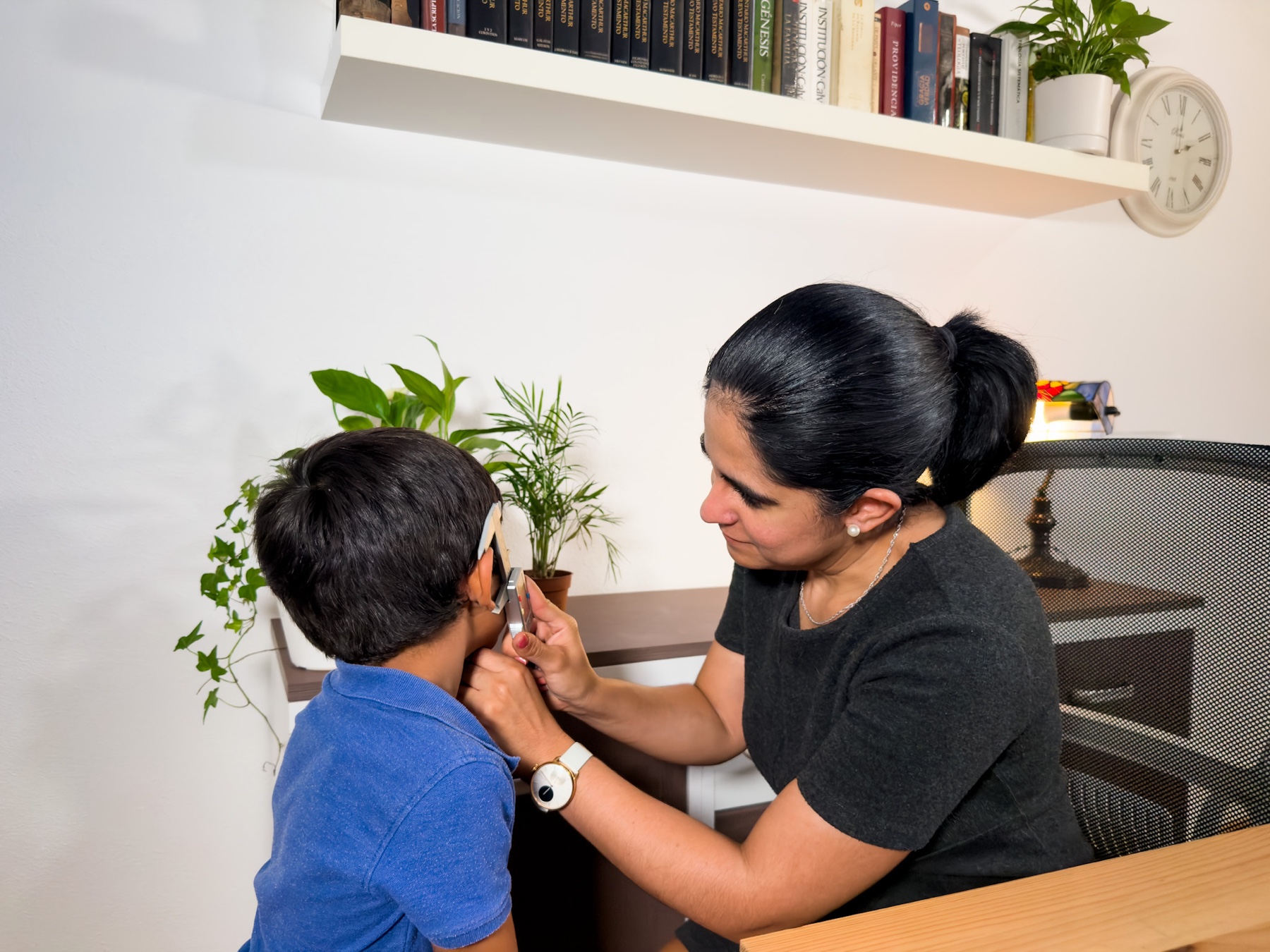 In consultation with Ana
Your visit Select a step ↓
Tell us briefly what you need and whether you prefer an in-person or video consultation.
Your reason for consulting and your preferred consultation type. You do not need to have all the answers.
The practice will explain how to share relevant history and tests before your appointment.
The reports and tests you already have, along with the questions you would like to discuss.
The doctor reviews your history, explains findings and answers questions in clear language.
Personal and family history, a review of findings and time for your questions.
The conclusions are explained and next steps are agreed according to the needs of your case.
An individualised plan. Testing or follow-up is discussed when your case calls for it.
Not every case requires a genetic test.
The first step is understanding yours.
The doctor explains · Video in Spanish / 01:38
The doctor explains what a genetics consultation involves and why preparing your case is part of your care. This video is in Spanish.
About the doctor
Medical Genetics · Clinical practice and research
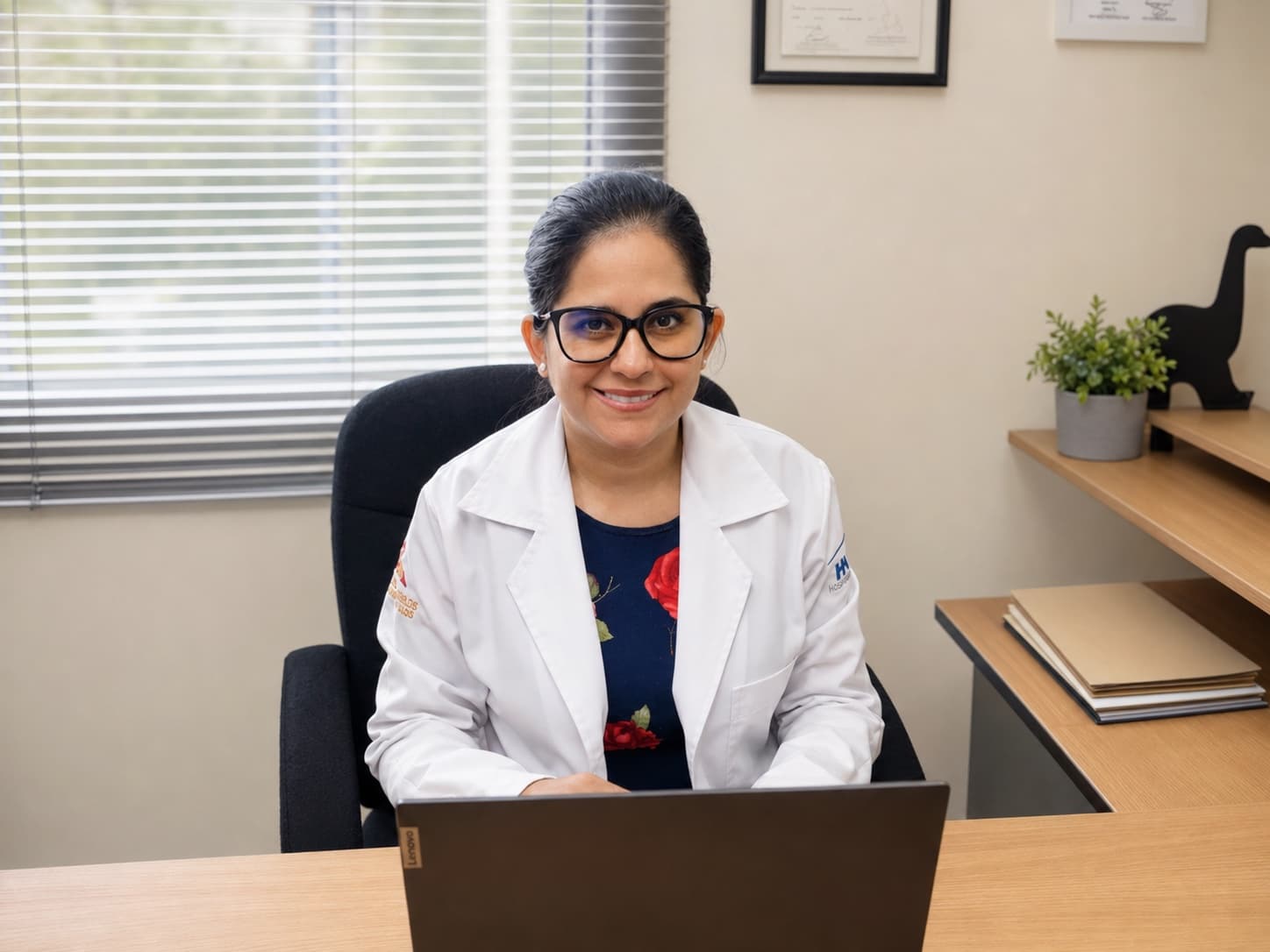 Medical genetics
Certified by the Mexican Council of Genetics.
Accredited by the Spanish Association of Human Genetics.
Registered in Madrid · ICOMEM no. 282894727
Additional training
Harvard Medical SchoolCertificate in Oncology and Precision Medicine
Harvard UniversityCertificate in Neuroscience Fundamentals
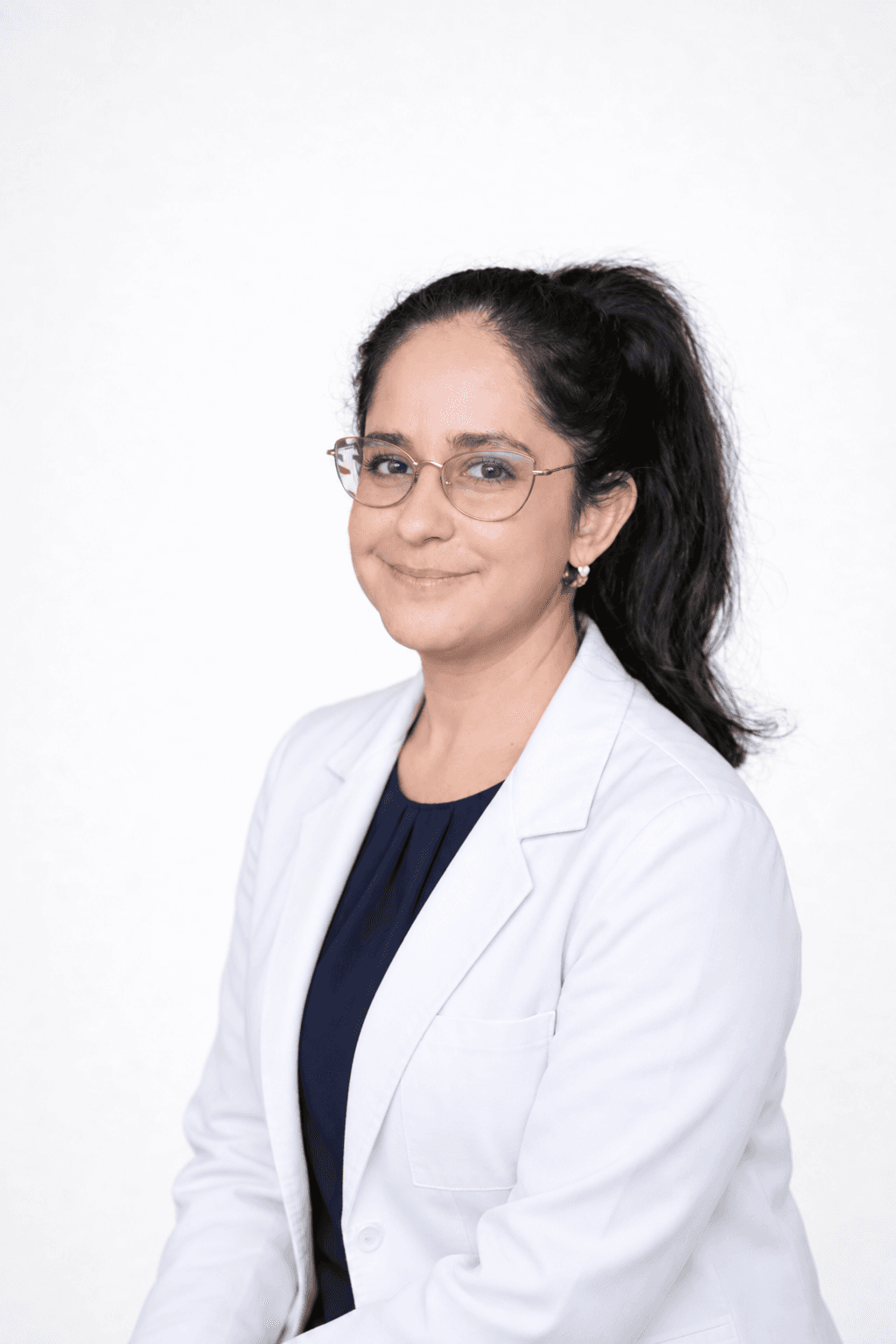
Dr Ana Talamantes is a medical geneticist with a PhD in Molecular Biosciences and a particular interest in cancer genetics and neurogenetics. She combines patient care with biomedical research and the interpretation of genetic and genomic tests.
Her professional experience includes Hospital Civil de Guadalajara, Teletón de Occidente, the Institute of Medical and Molecular Genetics (INGEMM) at Hospital Universitario La Paz, and the Institute of Oncological and Molecular Medicine of Asturias (IMOMA).
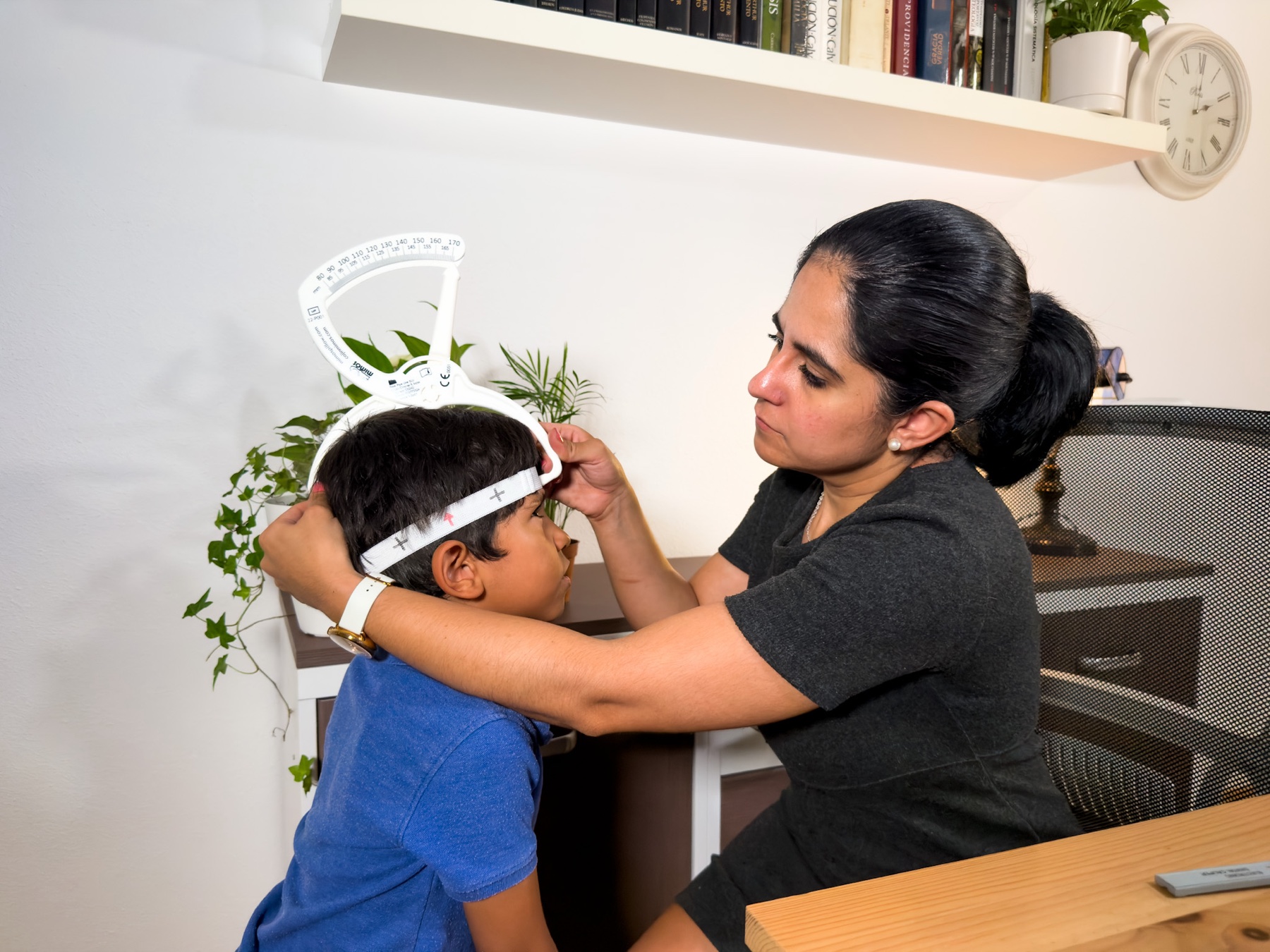
During a consultation, she relates examination findings to family history and available results. This assessment helps explain the information and guide the next steps for each person.
Universidad de Guadalajara · Mexico
Honours distinction.
Universidad de Guadalajara · Mexico
Hospital Civil Nuevo de Guadalajara.
Harvard University
Certificate in Neuroscience Fundamentals. Additional training.
Harvard Medical School
Certificate in Oncology and Precision Medicine. Additional training.
Universidad Autónoma de Madrid
Cum laude distinction. Hospital Universitario La Paz · INGEMM.
Euroinnova International · Spain
Postgraduate training in genetic counselling.
Additional training: Diploma in Neurogenetics · Universidad Autónoma de Durango, Mexico.
Author and co-author of 11 publications on genetics and rare diseases. She takes part in conferences, international presentations and science communication activities.
Patient experiences
Patient voices from Spain and Mexico, with their source clearly shown. Move through the comments at your own pace.
Doctoralia · Spain and Mexico
“Explica conceptos científicos complejos de forma muy clara y cercana.”“Siempre atenta y dedica el tiempo necesario…”“Muy amable, atenta en cada detalle.”“Profesional y paciente, explicando a detalle el proceso…”“Muy recomendada, muy acertada en sus explicaciones”“Excelente Dra, muy atenta y profesional.”After your appointment
If you attended a consultation, ask the practice for your private review invitation. Only completed appointments can receive one; publication is optional and checked for privacy.
Doctoralia excerpts retain their original Spanish wording and link to their source. AnaOS reviews are submitted by invitation after an attended appointment.
Where to consult
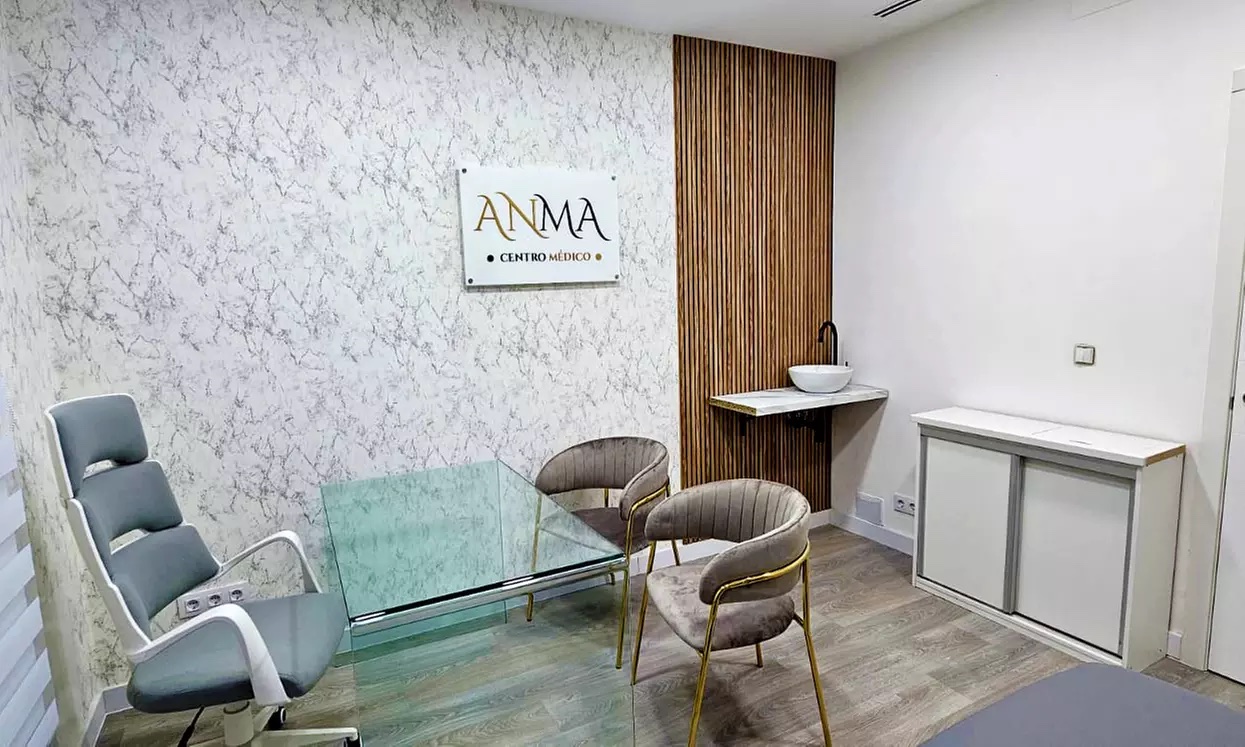
Appointments
Online scheduling is being prepared. For dates and practical information, please contact the practice directly. Do not send medical reports in your first message.
Contact via WhatsAppContact
We can help you choose the right consultation type and explain how to book and prepare your documents.
Please do not send reports, photographs or medical results in your first message.Madrid · Salamanca district
Video consultationSpain, Mexico and internationally
Useful information
Practical answers about preparing for your visit, booking and discussing genetic results.
Yes. You can choose a video consultation when booking. Check the time zone shown in the calendar and, if you live outside Spain, ask whether this format is suitable for your case.
This is a private medical service and the practice does not currently work directly with insurers. If you plan to claim reimbursement, ask your insurer in advance which documents you need.
No. The assessment can begin with your personal and family history. If you already have results, the doctor can review them in their clinical context.
After booking, ask the practice which reports and tests are relevant and how to share them. Do not send results, clinical photographs or sensitive details in the initial message or booking form.
Family history is part of the assessment, but each booking is for one person. If several relatives need individual assessments, ask whether separate appointments are needed.
Ask the practice whether a companion can attend. If the appointment is for a minor or someone needing decision-making support, tell the practice when preparing the visit.
The practice sees children and adults. For newborns or urgent concerns, first check whether the available format and timing are appropriate; this booking service does not provide emergency care.
Exceptionally, subject to availability. A home visit in Madrid or a hospital visit may be considered with the appropriate permissions and coordination. These visits are not booked online and have an individual quote. They do not replace emergency or hospital care.
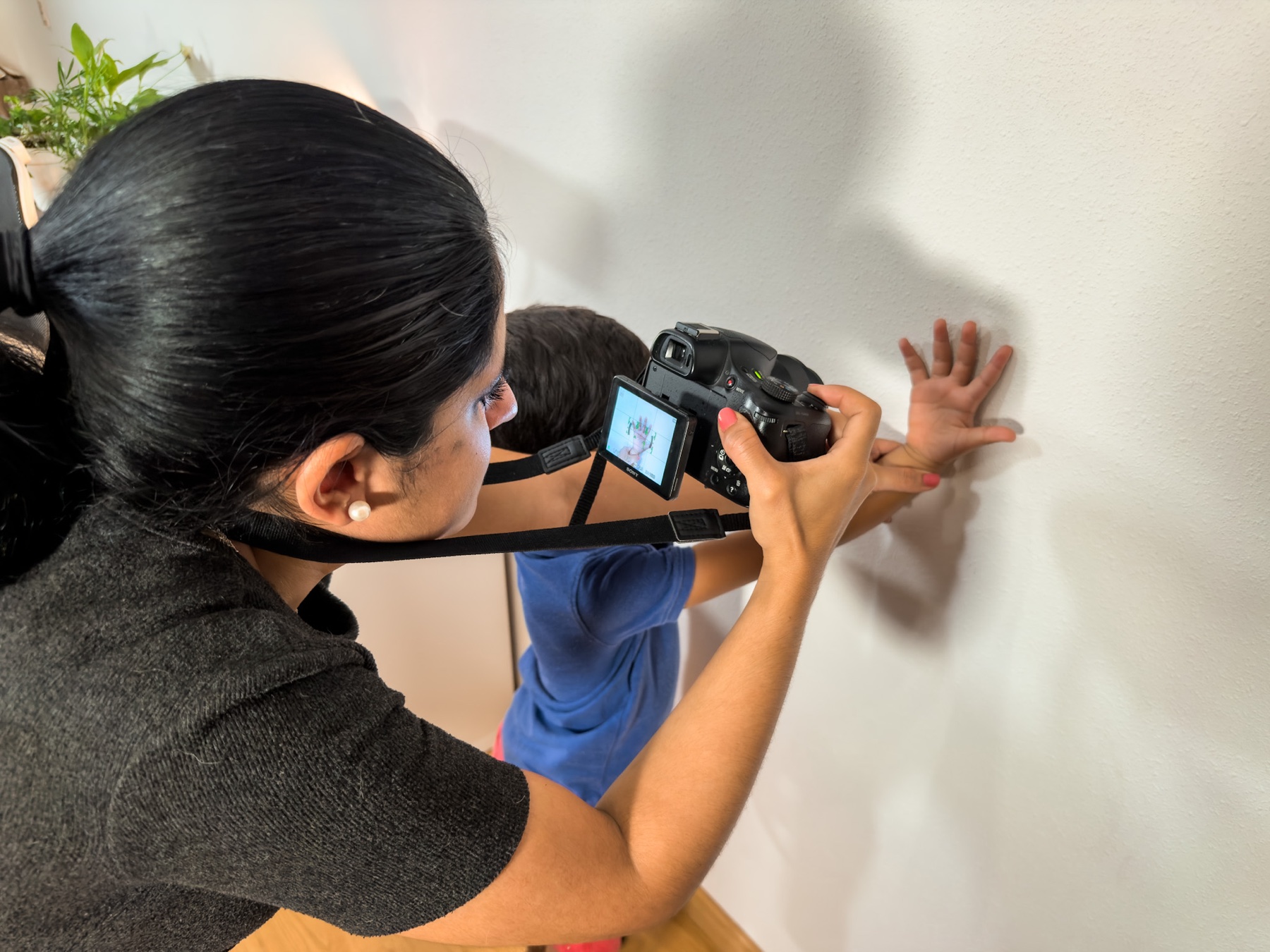
When appropriate, the assessment may include a focused examination or relevant clinical photographs. Their purpose will be explained first and the images handled as confidential clinical records. Teaching, research or publicity use requires separate specific authorisation.